 (732) 246-1377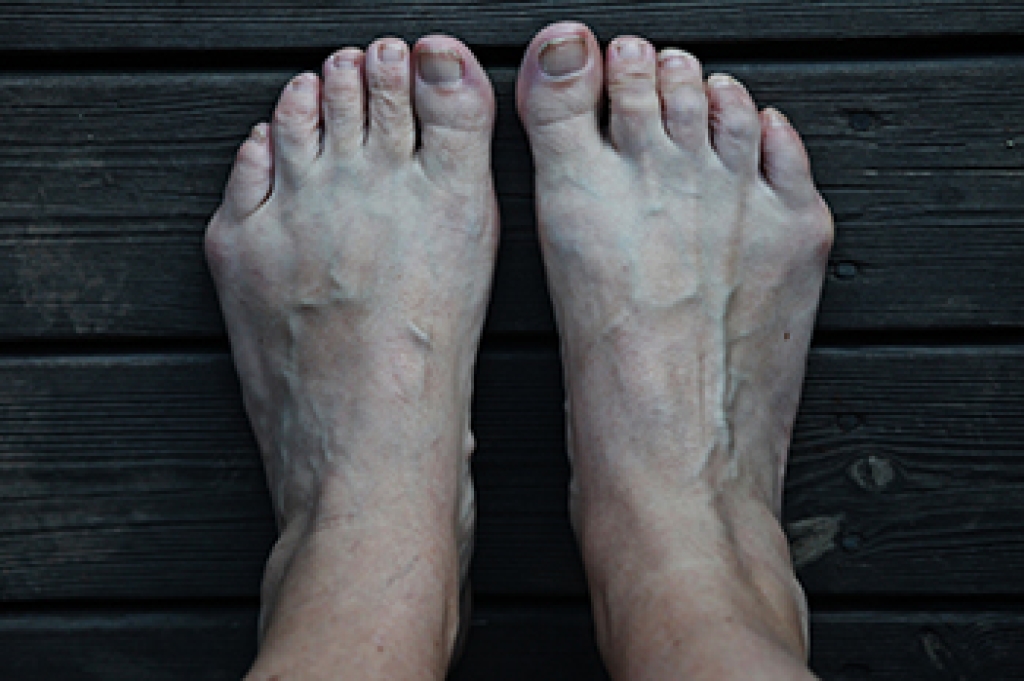
A bunionette, also called a tailor’s bunion, is a painful bump that forms on the outside of the foot at the base of the fifth toe. It gets its name from tailors who once sat cross-legged for long periods, placing pressure on the outer edge of the foot. Over time the fifth metatarsal bone begins to shift outward, creating a noticeable bump that may rub against shoes. Patients often notice redness, swelling, and tenderness along the outside of the foot. The area may feel irritated when walking or wearing narrow footwear. Causes include foot structure, inherited bone shape, or long-term pressure from tight shoes. A podiatrist can diagnose a bunionette through examination and imaging to determine the alignment of the bone. Treatment focuses on reducing pressure and correcting the underlying problem. Care may include wider footwear, protective padding, custom orthotics, and targeted exercises to support the foot. In more severe cases, surgery may be recommended to realign the bone. If you think you have a bunionette, it is suggested that you make an appointment with a podiatrist.
If you are suffering from bunion pain, contact one of our podiatrists of Livingston Footcare. Our doctors can provide the care you need to keep you pain-free and on your feet.
What Is a Bunion?
Bunions are painful bony bumps that usually develop on the inside of the foot at the joint of the big toe. As the deformity increases over time, it may become painful to walk and wear shoes. Women are more likely to exacerbate existing bunions since they often wear tight, narrow shoes that shift their toes together. Bunion pain can be relieved by wearing wider shoes with enough room for the toes.
Causes
- Genetics – some people inherit feet that are more prone to bunion development
- Inflammatory Conditions - rheumatoid arthritis and polio may cause bunion development
Symptoms
- Redness and inflammation
- Pain and tenderness
- Callus or corns on the bump
- Restricted motion in the big toe
In order to diagnose your bunion, your podiatrist may ask about your medical history, symptoms, and general health. Your doctor might also order an x-ray to take a closer look at your feet. Nonsurgical treatment options include orthotics, padding, icing, changes in footwear, and medication. If nonsurgical treatments don’t alleviate your bunion pain, surgery may be necessary.
If you have any questions, please feel free to contact our office located in North Brunswick, NJ . We offer the newest diagnostic and treatment technologies for all your foot care needs.